NOXIOUS WEEDS

Most gardeners would say that any weed in their garden is a noxious weed. However, in Washington State, the term “noxious weed” has a specific legal meaning: a non-native plant designated as such by federal, state or county law as aggressive and/or injurious.
The State of Washington has enacted legislation (Chapter 17.10 RCW), which created a series of Weed Control Boards at the state, regional, and county levels. The purpose of these boards is to identify aggressive and/or injurious weeds within their jurisdictions, and to facilitate the control and removal of these weeds.

Each year, the State Noxious Weed Board adopts a State Noxious Weed List. Regional and county weed boards use this list as the basis for creating their own noxious weed lists, based on their local weed control priorities. Washington weed control laws assigns primary responsibility for noxious weed control to the landowner – whether it is private, state, or county lands.
THE IMPACT OF NOXIOUS WEEDS

giant-hogweed.jpg… Noxious weeds invade farm land and pastures, increasing the overall cost of farming and, in some cases, making land unsuitable for agriculture. Some of the noxious weeds that invade pastures are toxic to domestic animals. Noxious weeds in the natural environment may be thorny and injure wildlife, may be toxic to native wildlife species, and may crowd out native plants. The chemicals used to control noxious weeds may also damage the environment.

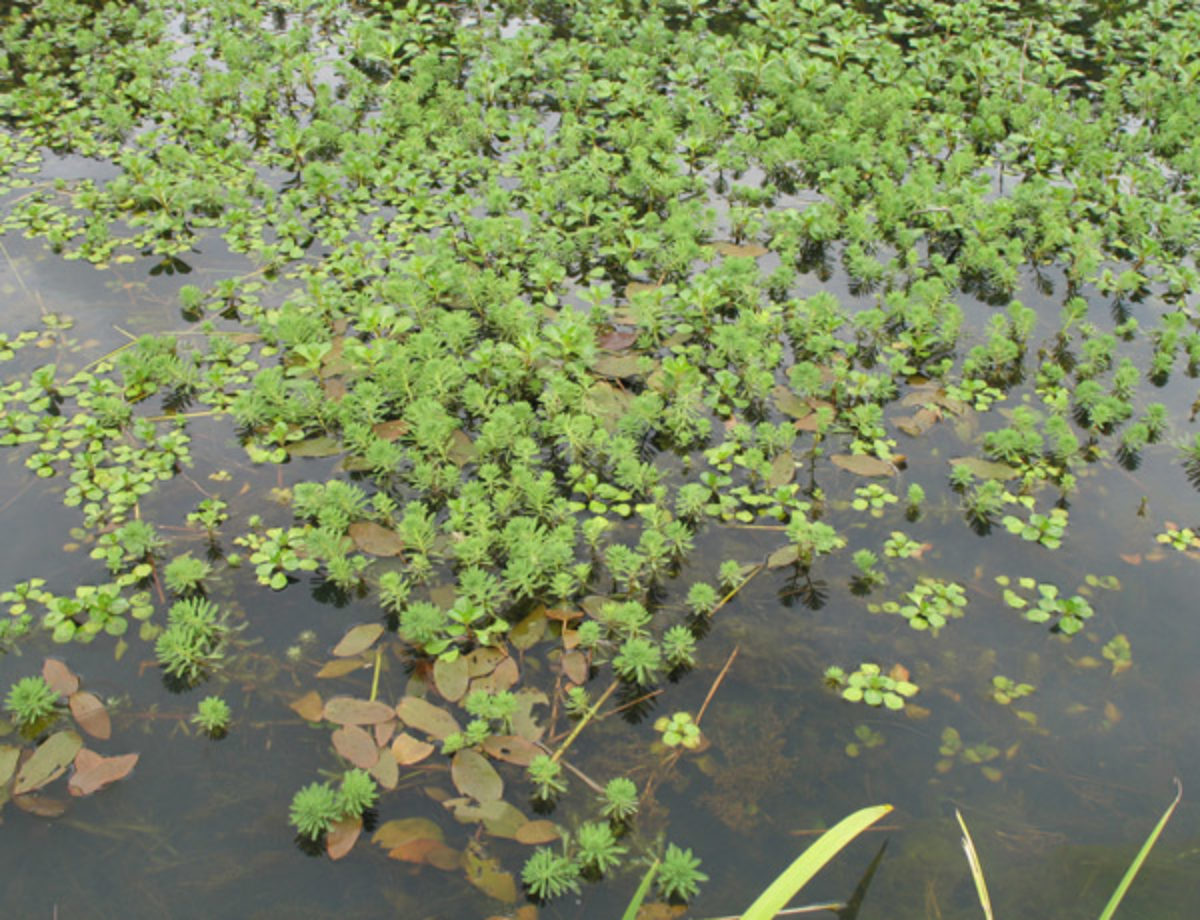
Aquatic noxious weeds can clog waterways, crowd out native plant species, prevent native fish from accessing breeding areas, damage or ruin commercial and recreational fishing, and make swimming dangerous.

The economic cost of controlling noxious weeds is borne by all of us, even if we live in an urban environment. Noxious weed control increases the cost of agricultural food and products. Tax money is required to remove noxious weeds from the edges of our roads. By law, noxious weeds must be controlled by parks, state forests, schools and cities, resulting in higher fees and taxes. Removing noxious weeds from our lakes and waterways, and then restoring them, is very expensive.
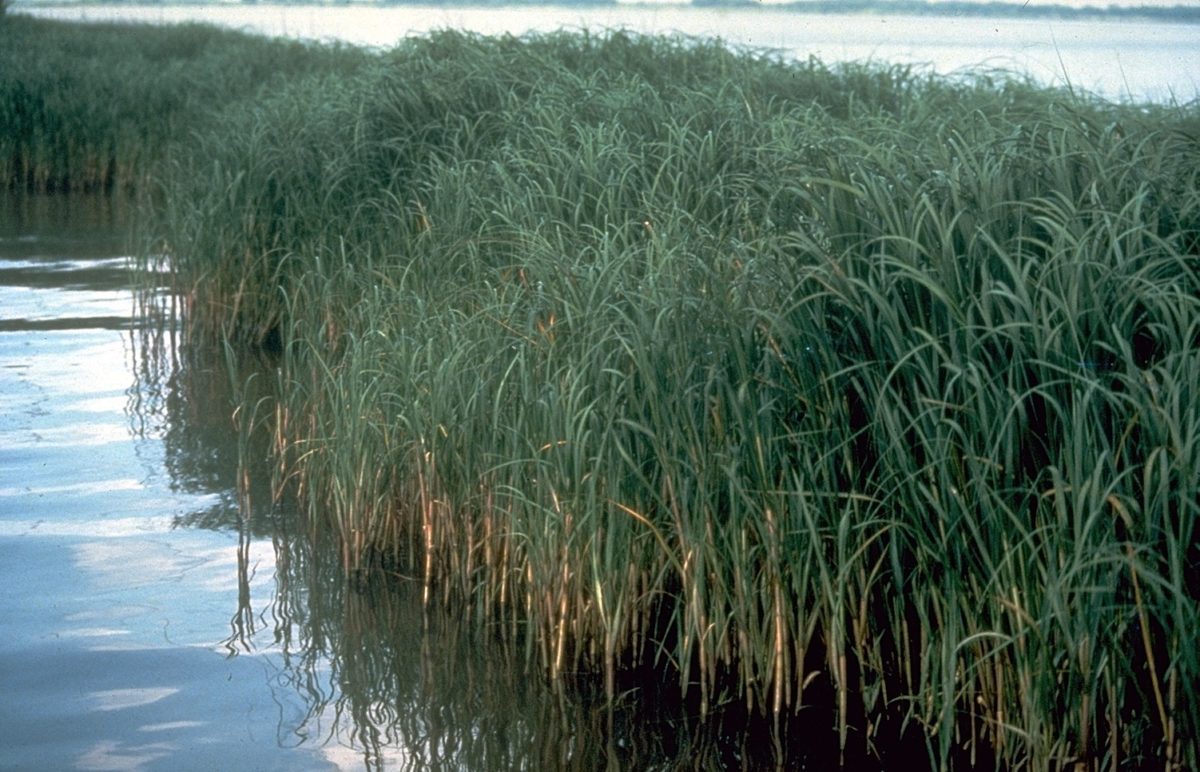
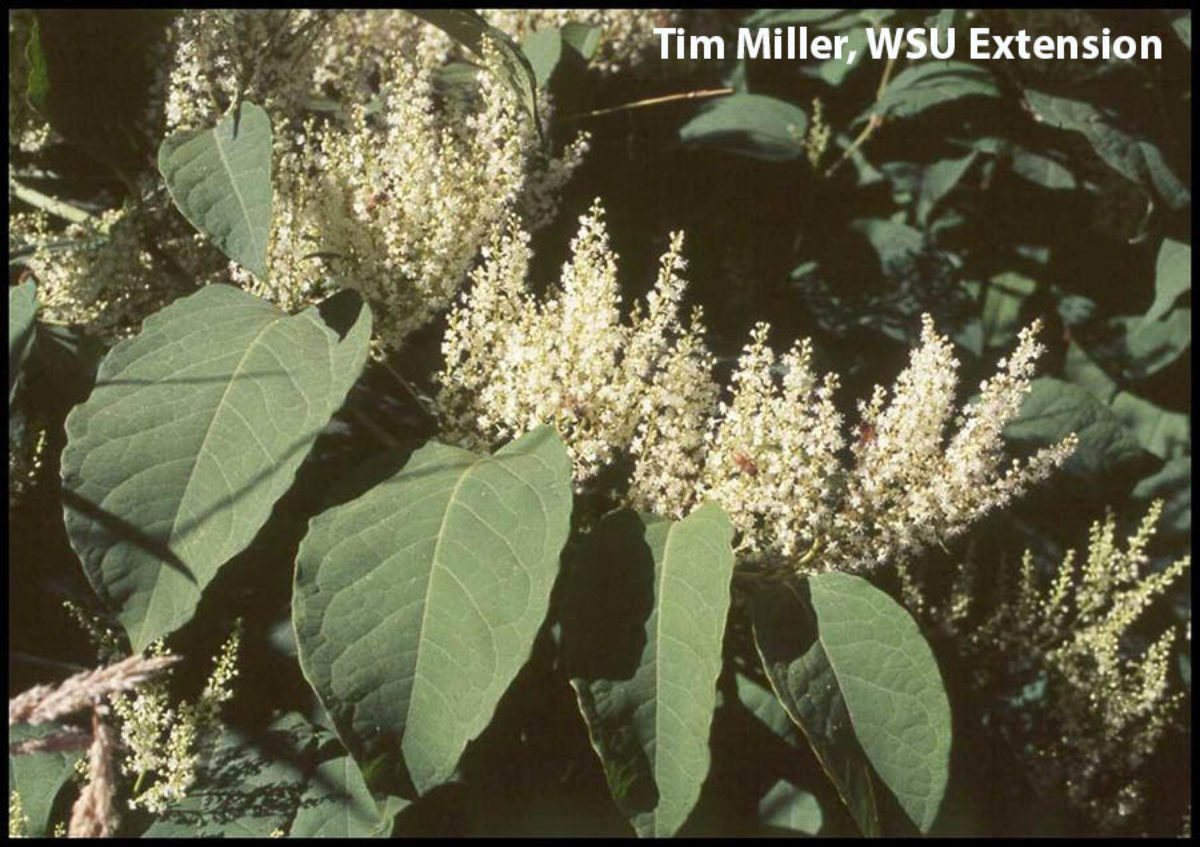
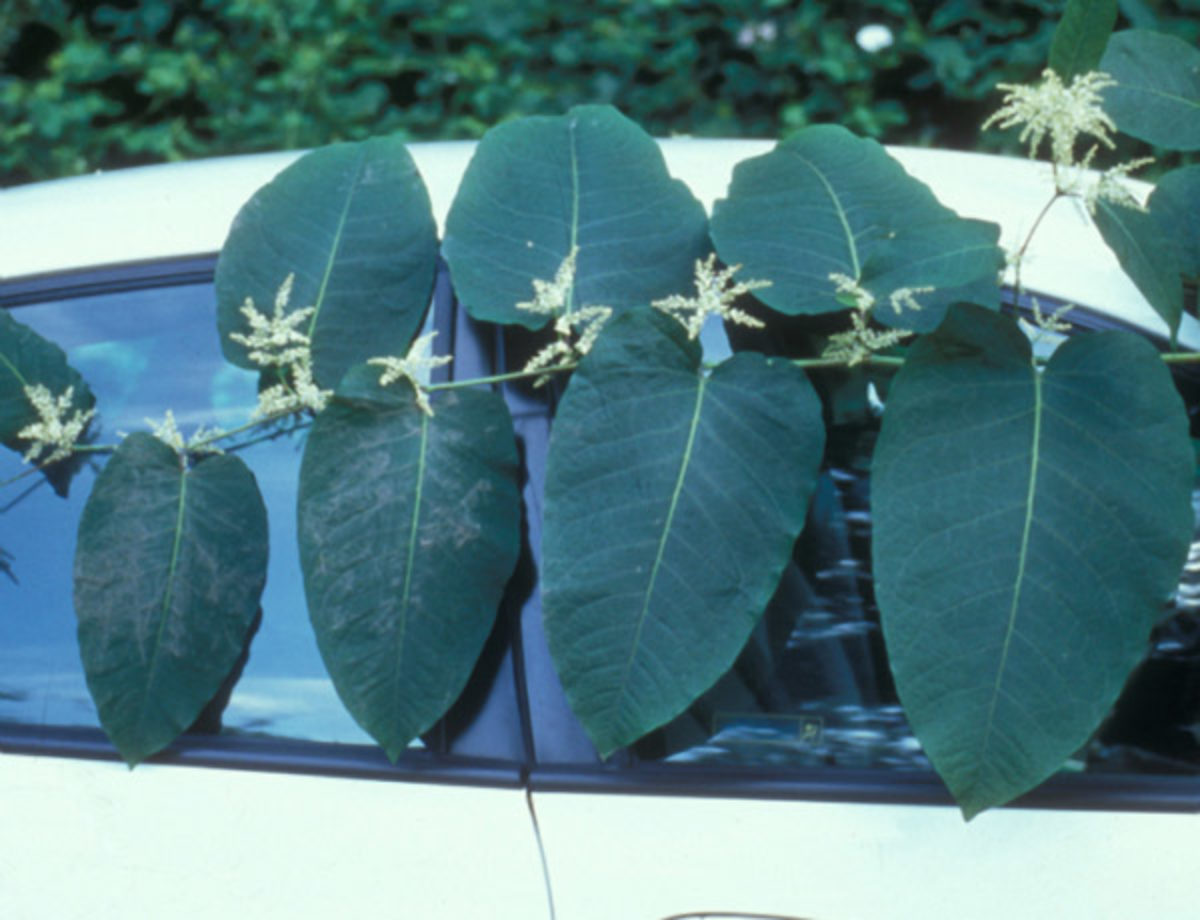
By controlling noxious weeds, landowners protect life and health, improve habitat for fish and wildlife, maintain native plant communities, minimize the impacts to agriculture production, and save money.

The Washington State Noxious Weed Control Board adopts a State Noxious Weed List each year. This list categorizes weeds into three major classes (A, B and C) according to the seriousness of the threat they pose to the state or a region of the state:

Non-native species with a limited distribution in Washington. Preventing new infestations and eradicating existing infestations is the highest priority. Control of these species is required by law.

Non-native species that are presently limited to portions of the state. Class B species are designated for control in regions where they are not yet widespread. Preventing infestations in these areas is a high priority. In regions where a Class B species is already abundant, control is decided at the local level, with containment as the primary goal.

Other non-native weeds found in Washington. Many of these species are widespread in the state. Long-term programs of suppression and control are a local option, depending upon local threats and the feasibility of control in local areas.

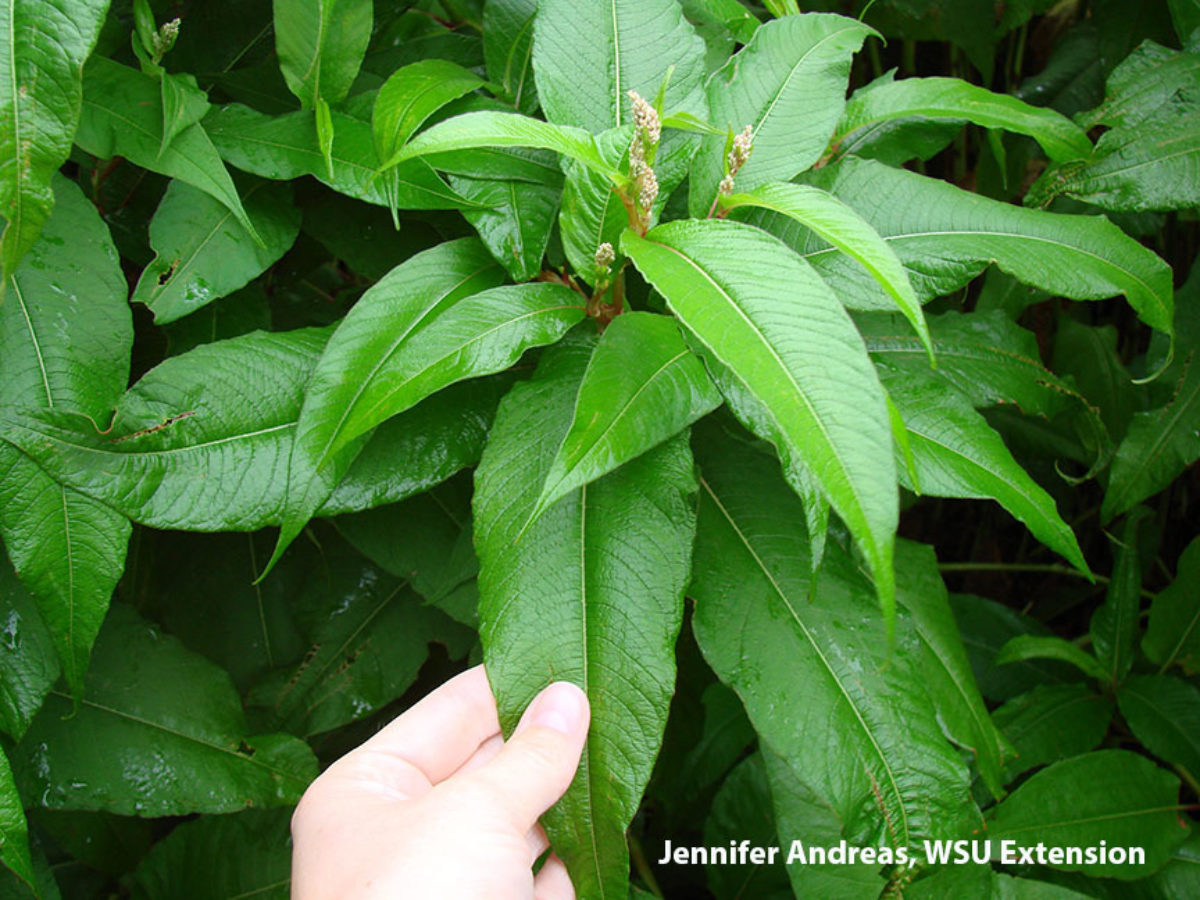
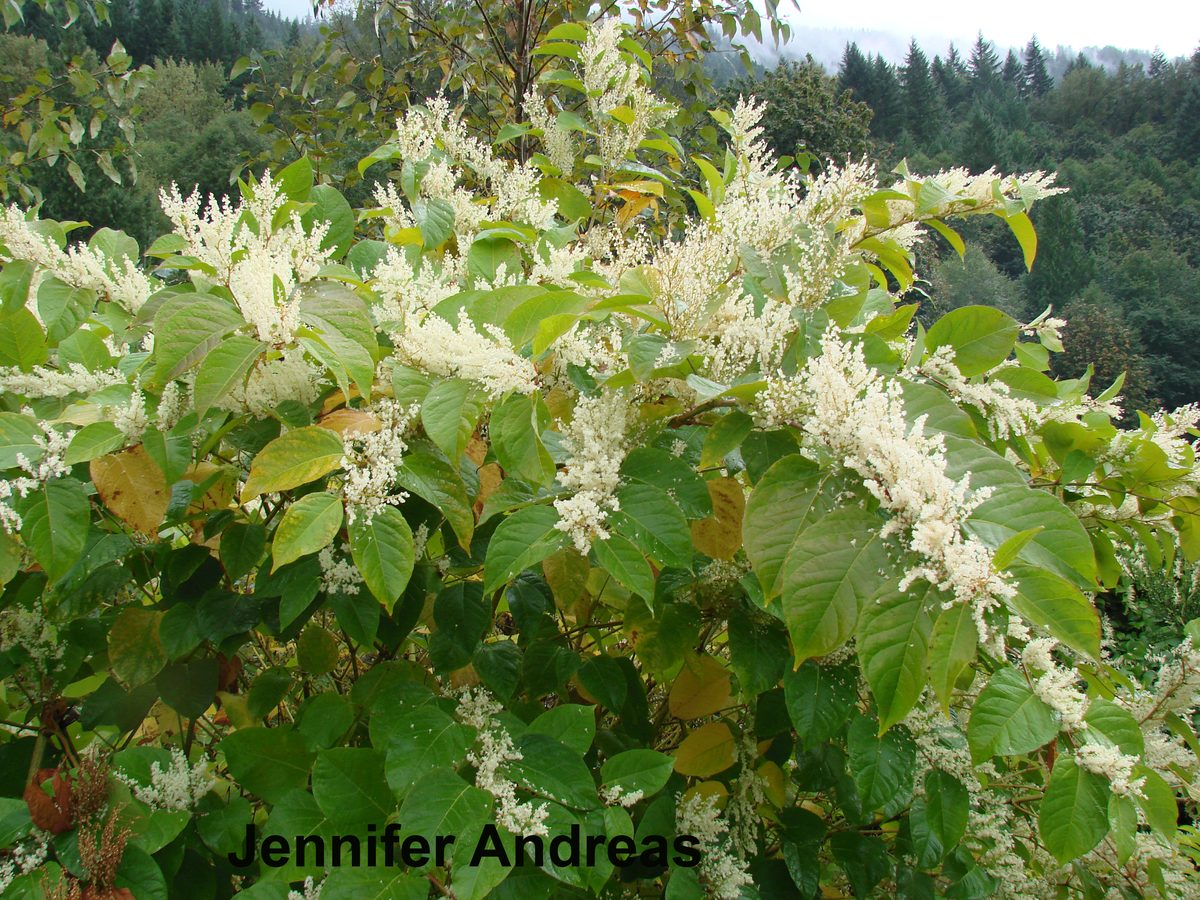
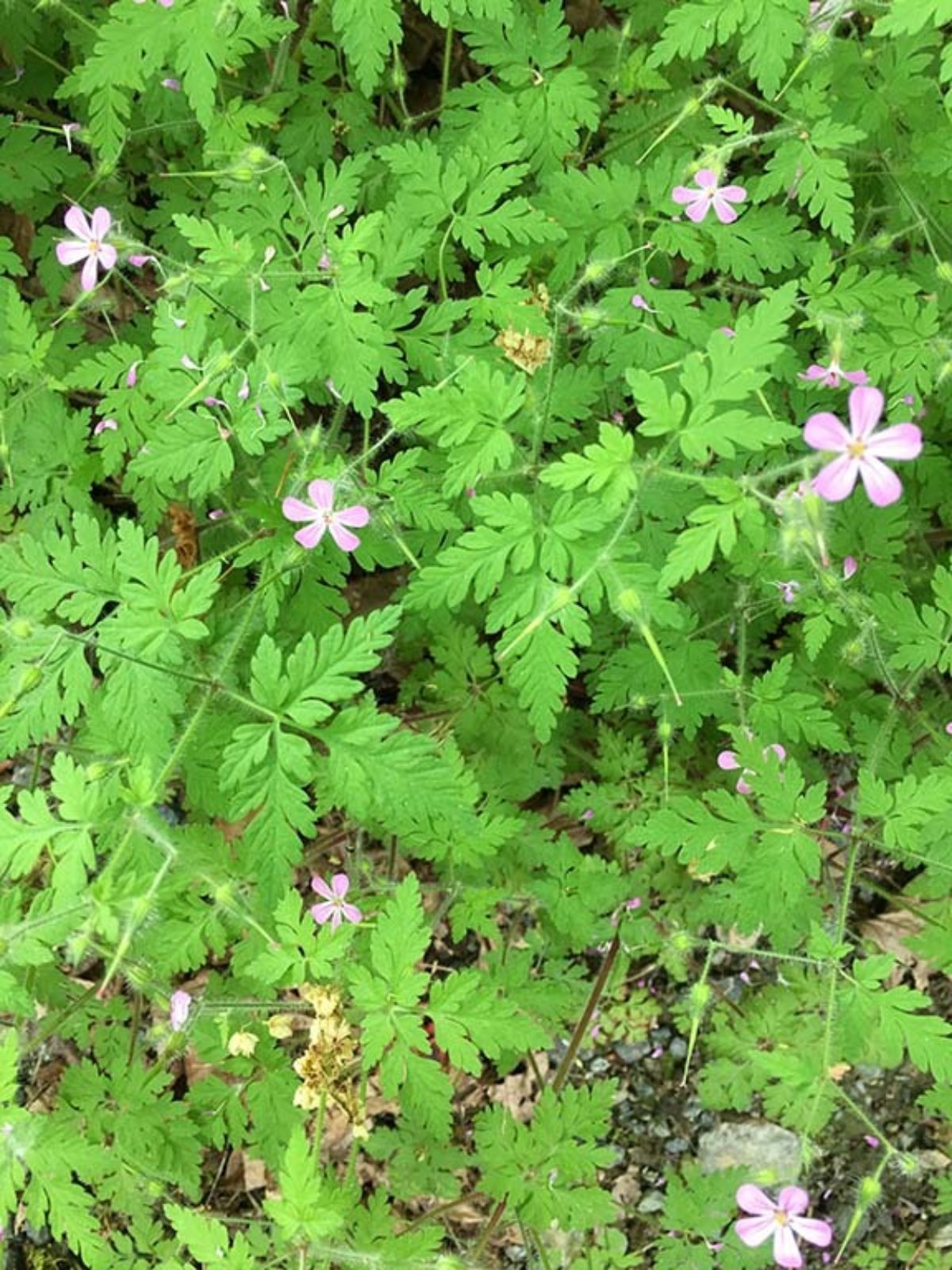
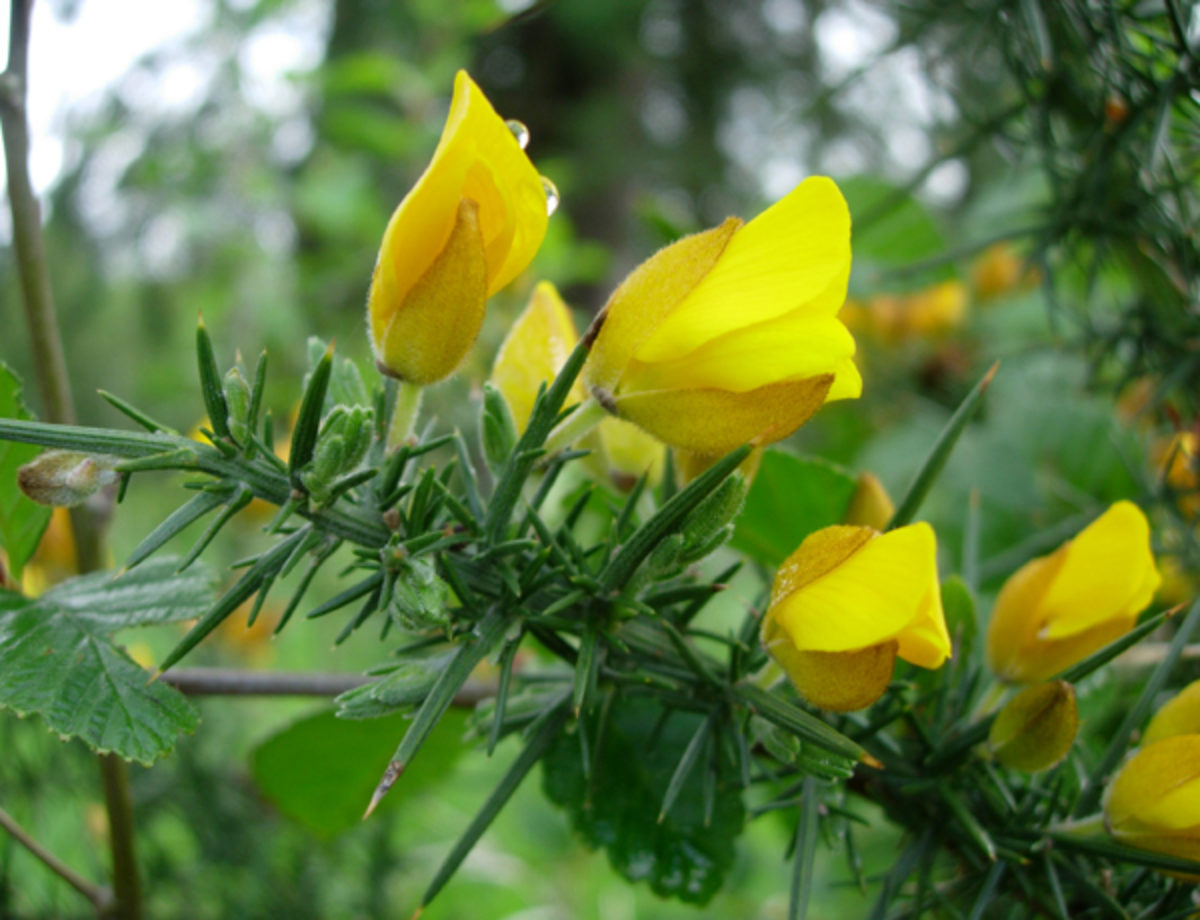
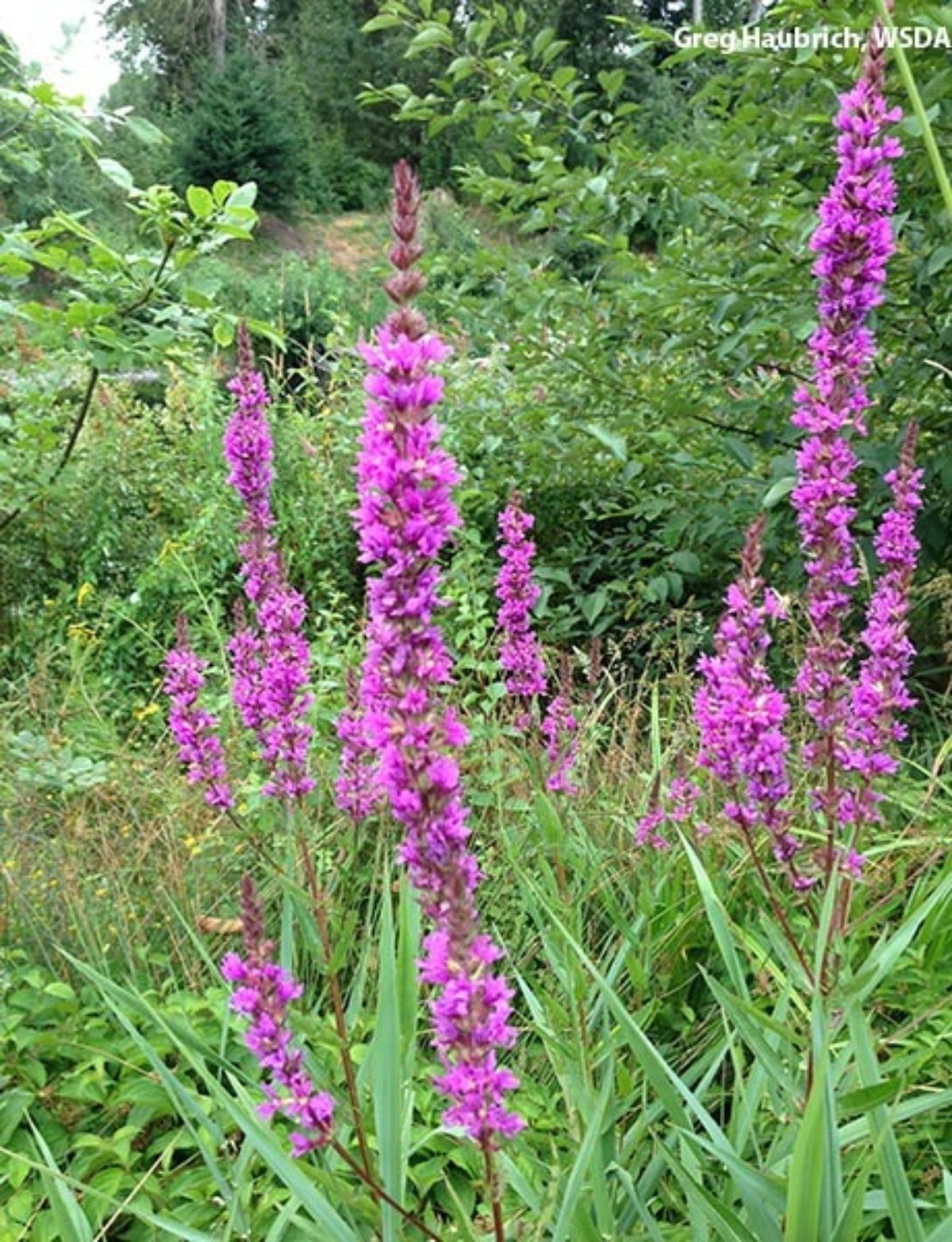
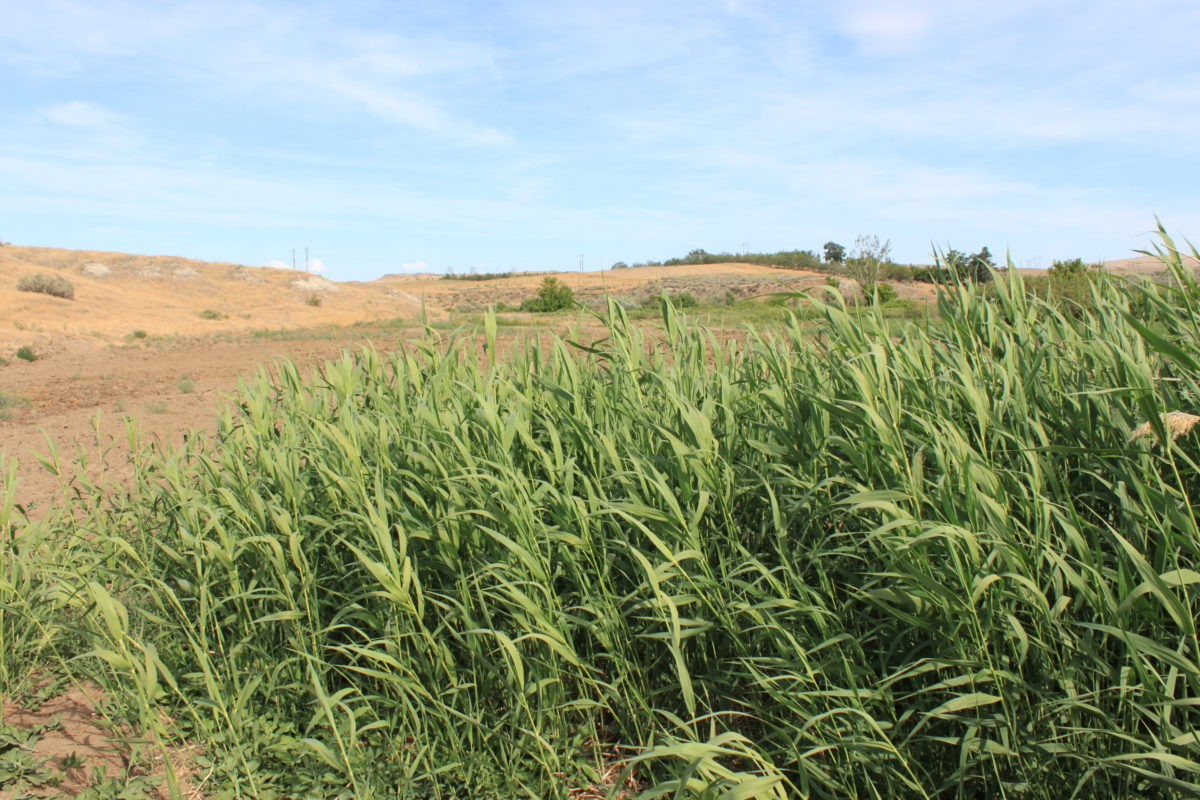
The Coordinator of the Grays Harbor County Noxious Weed Control Board considers the following Class B and C noxious weeds of greatest concern in our local area (All Class A noxious weeds are a high priority for control). To learn more about a particular species listed below, copy the name and paste it into the “Noxious Weed Search” box located in the upper right corner of the Washington State Noxious Weed Control Board site: (https://www.nwcb.wa.gov/).

Further information on noxious weeds may be found at the following links:

Scroll to Top